
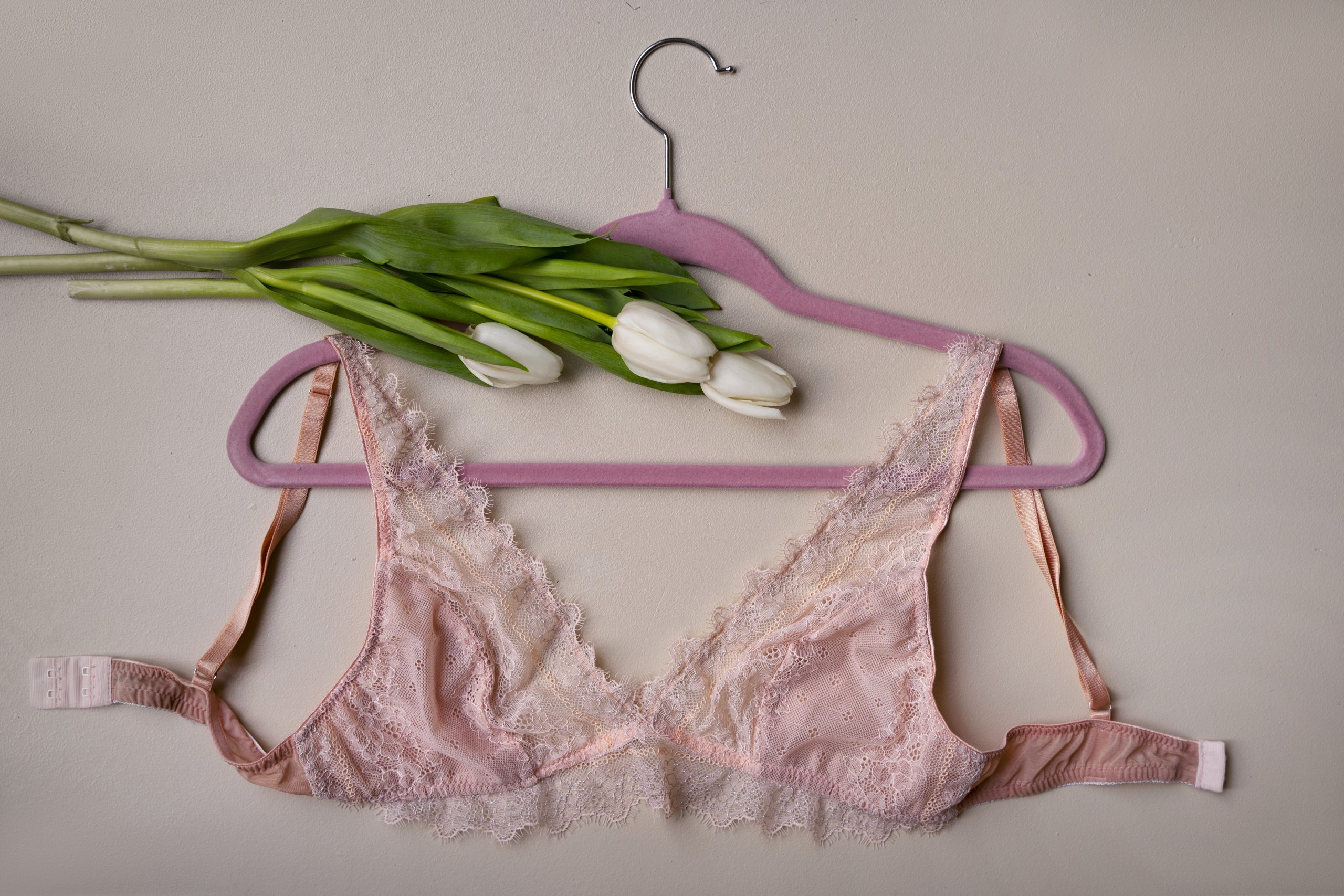
Maintaining personal hygiene is a cornerstone of health and faith in Islam. The Prophet Muhammad ﷺ said: “Cleanliness is half of faith” (Sahih Muslim, Hadith 223). This emphasizes that caring for our bodies is both a practical necessity and a spiritual duty. One area often overlooked, especially by women, is underwear hygiene, which is essential for comfort, well-being, and prevention of infections.
The intimate area is delicate, and improper care—such as wearing damp or poorly dried underwear—can lead to discomfort, skin irritation, and serious health complications. In this guide, we cover the best practices for keeping your underwear clean, dry, and safe to wear, along with practical real-life examples to help women maintain their health according to Islamic guidance.
1. The Importance of Underwear Hygiene
Underwear hygiene is not a trivial matter; it directly impacts your physical health, emotional comfort, and spiritual well-being. Women’s intimate areas are sensitive to moisture, bacteria, and fungal growth. Wearing damp, unwashed, or improperly stored underwear can lead to:
- Yeast infections
- Urinary tract infections (UTIs)
- Skin irritation, rashes, and itching
- Unpleasant odors and discomfort
The Qur’an reminds us of the significance of purification and cleanliness: “Indeed, Allah loves those who purify themselves” (Qur’an 2:222). Taking care of underwear and intimate hygiene is a practical way to fulfill this divine instruction.
Real-life story: Aisha, a young professional from Kano, Nigeria, experienced recurring yeast infections due to drying her underwear indoors in humid conditions. After switching to sun-drying whenever possible, her infections cleared, highlighting the direct link between underwear hygiene and health.
2. Proper Washing Techniques
Clean underwear begins with effective washing. Women should:
- Use gentle detergents that do not irritate sensitive skin.
- Avoid harsh chemicals or bleach that can disrupt natural pH balance.
- Wash underwear separately from heavily soiled items to prevent cross-contamination.
- Rinse thoroughly to remove all detergent residues.
Islam encourages cleanliness in all matters. The Prophet ﷺ said: “Allah is beautiful and loves beauty” (Sahih Muslim, Hadith 91). Clean, properly washed underwear is a reflection of this principle in daily life.
Tip: Using warm water helps kill germs but avoid extremely hot water as it can damage delicate fabrics.
3. The Power of Sunlight: Drying Underwear Properly
One of the most important aspects of underwear hygiene is thorough drying. Wearing damp underwear can become a breeding ground for bacteria and fungi. Sunlight is a natural disinfectant that helps remove moisture and kill germs.
Practical Tip: Always hang underwear on a line or drying rack in direct sunlight when possible.
Real-life story: Fatima, a mother of two in Lagos, noticed constant irritation due to drying her laundry indoors. She switched to sun-drying, and her health issues disappeared, showing the tangible benefits of this simple habit.
Islamic insight: Proper washing and drying is in line with the Sunnah. The Prophet ﷺ was known to take great care in ensuring his clothes were clean, and Aisha (RA) narrated that he never left garments unwashed (Sunan Abu Dawood, Hadith 151).
4. Drying Indoors: Best Practices
When sunlight is not available due to weather or living conditions, indoor drying must be done correctly:
- Dry in a well-ventilated area near a window or fan.
- Avoid damp, dark areas like bathrooms.
- Do not pile wet underwear under other clothes.
Tip: Rotate the underwear while drying indoors to ensure all areas are exposed to air.
Real-life example: Zainab, a 28-year-old in Abuja, used to air-dry her underwear on a bathroom rack during rainy days. She began experiencing constant discomfort. After moving the drying rack near a window with a fan, her hygiene improved, preventing recurring infections.
5. Proper Storage Practices
Even clean and dry underwear can become unhygienic if stored improperly. Islam encourages order and cleanliness in all aspects of life. The Prophet ﷺ said: “Allah loves those who are tidy” (Sahih Muslim).
Storage tips:
- Keep underwear in a clean, dry drawer or container.
- Avoid plastic bags that trap moisture.
- Do not mix clean underwear with dirty clothes.
- Fold neatly or use cloth pouches to maintain freshness.
Real-life story: During humid seasons, a group of women in coastal Nigeria reported that poorly stored underwear developed a musty smell. Switching to breathable cloth pouches and a dedicated drawer kept garments fresh and hygienic.
6. Habits to Avoid
Certain careless practices can compromise health:
- Never wear damp underwear – this increases bacterial growth.
- Never dry in humid or closed spaces – like bathrooms or laundry baskets.
- Never store carelessly – avoid mixing with dirty laundry.
- Never neglect hygiene during travel or rainy days – always ensure full drying.
- Optional: Light ironing after drying adds extra cleanliness.
Tip: Always carry a spare set of underwear when traveling to maintain hygiene on the go.
7. The Link Between Hygiene and Spirituality
Islam teaches that purity is integral to worship. Maintaining underwear hygiene is not just physical care—it is part of spiritual discipline:
- Cleanliness helps maintain wudu (ablution) for prayers.
- Reduces distractions caused by discomfort or infections.
- Reflects adherence to the Sunnah of personal hygiene.
The Qur’an says: “Indeed, Allah loves those who turn to Him in repentance and loves those who purify themselves” (Qur’an 2:222). Proper underwear hygiene is a practical application of this principle.
8. Benefits of Maintaining Underwear Hygiene
Maintaining underwear hygiene has numerous benefits:
- Prevents infections (yeast infections, UTIs)
- Reduces skin irritation and rashes
- Keeps you fresh and comfortable throughout the day
- Enhances confidence and self-esteem
- Aligns with Islamic teachings on cleanliness and purification
True-life story: Aisha, a newlywed in Kaduna, struggled with skin irritation due to synthetic underwear. After switching to cotton, washing thoroughly, sun-drying, and storing properly, she reported feeling comfortable and confident in her daily life.
9. Summary: Best Practices for Women’s Underwear Hygiene
✅ Wash thoroughly with gentle detergent.
✅ Dry in direct sunlight whenever possible.
✅ Dry indoors in ventilated spaces if sunlight isn’t available.
✅ Ensure underwear is fully dry before wearing.
✅ Store in clean, dry, separate spaces.
✅ Avoid damp, humid, or careless storage.
✅ Follow these practices even when traveling or during rainy days.
✅ Optional: Light ironing for extra cleanliness.
By adhering to these habits, women can maintain physical health, emotional comfort, and spiritual cleanliness, all in line with the Sunnah and guidance from the Qur’an.
Final Thoughts
Underwear hygiene is more than a daily routine—it is an essential practice that promotes health, comfort, and spiritual well-being. Proper washing, drying, and storage prevent infections, keep the body fresh, and align with the Islamic principle of cleanliness.
When women prioritize these habits, they are not only protecting their health but also fulfilling a Sunnah that enhances spiritual and physical purity. Even small adjustments—like sun-drying underwear or storing them in clean pouches—can have long-lasting positive effects on well-being.
Bismillahi, may Allah guide us to maintain our personal hygiene, protect our health, and follow the Sunnah in all aspects of life. Ameen.