
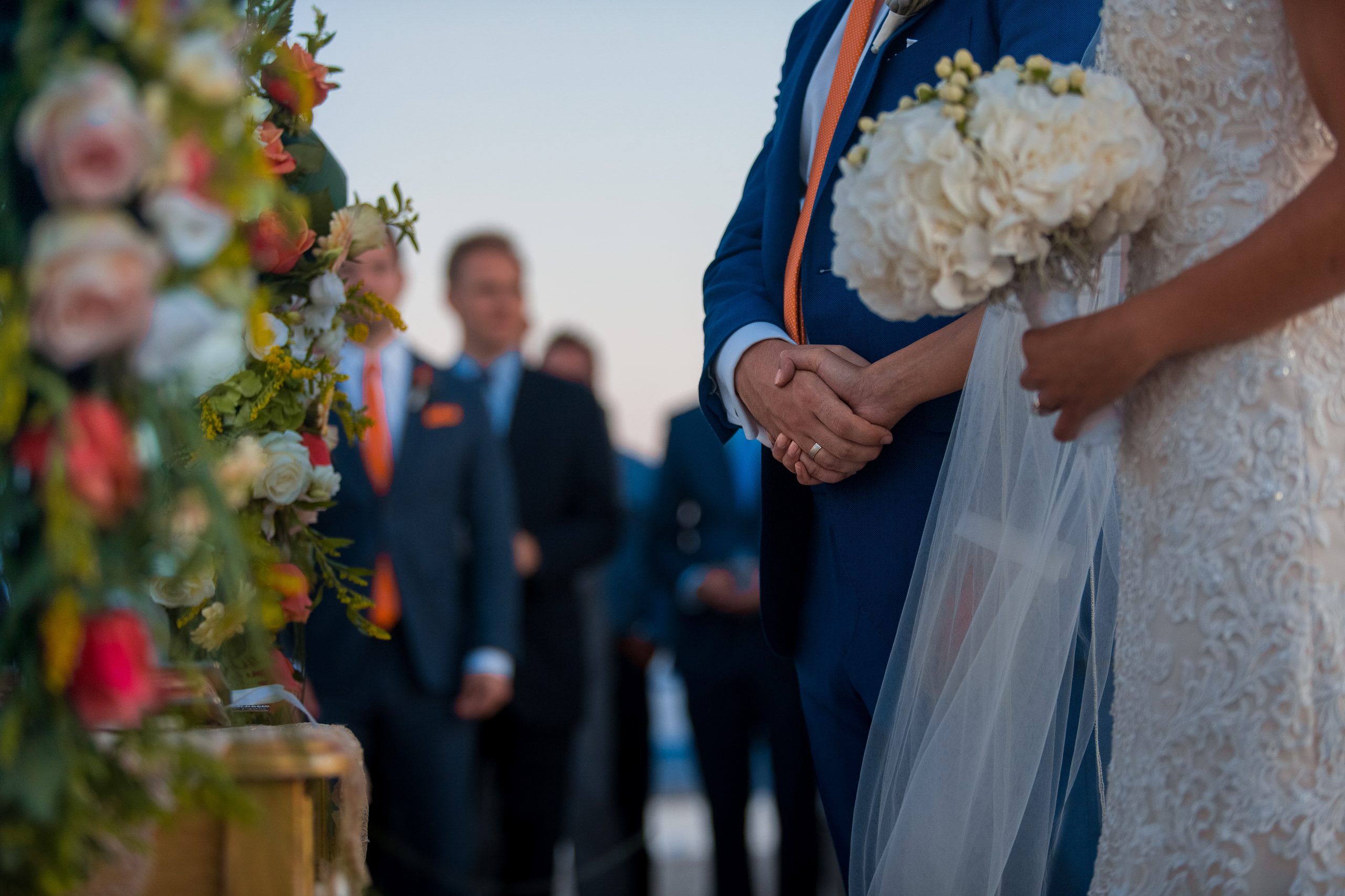
Marriage in Islam is a sacred bond, far more than a social arrangement or contract. It is meant to bring love, mercy, and tranquility between spouses, creating a partnership rooted in faith and mutual care. Allah (SWT) says:
“And among His signs is that He created for you from yourselves mates that you may find tranquility in them; and He placed between you affection and mercy.”
(Qur’an 30:21)
This verse reminds us that the ultimate purpose of marriage is to find peace, emotional connection, and love in each other. Every effort to nurture love, patience, and mercy within marriage is counted as an act of worship in the sight of Allah.
1. Love and Kindness: The Foundation of Marriage
The Prophet Muhammad ﷺ said:
“The best of you are those who are best to their wives, and I am the best among you to my wives.”
(Tirmidhi 3895)
This Hadith emphasizes that love, kindness, and care are central to a strong marriage. Love does not sustain itself automatically—it must be actively nurtured.
Practical ways to nurture love include:
- Speaking gently to each other
- Showing affection regularly
- Supporting each other emotionally and spiritually
- Assisting with daily responsibilities
Real-Life Example:
A couple, Fatima and Ahmed, shared that in the early years of marriage, small irritations would lead to arguments. They began intentionally thanking each other for simple acts—like cooking, picking up groceries, or doing laundry—and even smiling before leaving for work. They noticed a shift in their relationship: “It’s like our home became lighter, happier. The love was growing every day,” Fatima said.
2. Communication: The Heart of Marriage
The Prophet ﷺ said:
“The most perfect believer in faith is the one whose character is finest, and the best of you are those who are best to their wives.”
Communication in marriage is not just about speaking; it involves listening, understanding, and resolving conflicts calmly. Couples should:
- Set aside distraction-free time to talk daily
- Listen attentively and avoid interrupting
- Share feelings without blaming each other
Real-Life Example:
Usman and Zainab had frequent misunderstandings over finances. After setting aside 15 minutes each evening to discuss plans openly and calmly, they reported improved trust and intimacy. “We stopped assuming what the other thought and started asking directly,” Usman shared.
Open communication builds trust, intimacy, and a sense of security, preventing resentment from growing.
3. Patience and Forgiveness: Keys to Lasting Love
No marriage is free from mistakes or challenges. Allah says:
“And those who restrain anger and pardon people — Allah loves the doers of good.”
(Qur’an 3:134)
Forgiveness is a cornerstone of a lasting marriage. Minor faults should be overlooked, apologies offered sincerely, and guidance sought from Allah during tension.
Real-Life Example:
A couple, Mariam and Hamza, faced a serious disagreement over extended family interference. Instead of retaliating, they decided to pray together and reflect before speaking. Mariam said, “Taking time to calm down and forgive allowed us to discuss our feelings without escalating into hurtful words.”
Patience allows love to flourish and turns challenges into opportunities for deeper connection.
4. Fulfilling Rights and Responsibilities
Marriage in Islam is a partnership of rights and responsibilities.
- The husband provides protection, care, and financial support.
- The wife provides respect, care, and partnership in family life.
The Prophet ﷺ said:
“The best of you are those who are best to their families, and I am the best of you to my family.”
Fulfilling responsibilities strengthens trust and harmony, creating a balanced, resilient relationship. Marriage is teamwork—facing life’s joys and challenges together with patience, understanding, and love.
Real-Life Example:
Aisha shared her experience: “After my husband lost his job, I took on extra responsibilities at home. Instead of tension, we prayed together for guidance, and our bond grew stronger. Supporting each other through hardship deepened our trust and love.”
5. Romance and Affection
Romance is encouraged in Islam. The Prophet ﷺ maintained love and care for his wives even after years of marriage.
Simple acts of romance include:
- Compliments and kind words
- Spending quality time together
- Small surprises or gifts
- Sharing meals or laughter
Real-Life Example:
Hafsa and Bilal make it a habit to pray together and then take a short walk after dinner. “It’s a small routine,” Hafsa said, “but it reminds us we’re a team and keeps our love alive.”
Even in busy or stressful times, maintaining romantic gestures strengthens the emotional bond.
6. Spiritual Connection: Centering Marriage on Allah
A marriage centered on Allah becomes resilient and blessed. Couples can:
- Pray together
- Recite the Qur’an together
- Make dua for one another
- Remember Allah during conflicts
Allah says:
“And cooperate in righteousness and piety, but do not cooperate in sin and aggression.”
(Qur’an 5:2)
A spiritual connection nurtures love through shared faith and values. Continuous self-improvement, attending Islamic lectures, reflecting on personal behavior, and striving to grow individually and as a couple prevent stagnation.
Real-Life Example:
Sadiya and Yusuf, both professionals with demanding schedules, dedicate 10 minutes each evening for dua together. Yusuf said, “It’s a moment where we reconnect spiritually and emotionally. It reminds us why we chose each other and strengthens our patience and empathy.”
7. Gratitude: Appreciating Your Spouse
Gratitude turns ordinary moments into blessings. Thanking your spouse daily, acknowledging their effort, and showing appreciation fosters mutual respect and affection.
Real-Life Example:
Layla noticed her husband rarely said thank you for household efforts. She began thanking him for his support and hard work. “It was amazing,” she said, “he started reciprocating. Simple words of gratitude completely changed the atmosphere at home.”
8. Continuous Improvement
Marriage is a journey, not a destination. Couples should strive to improve themselves and their relationship continuously. This includes:
- Reading about Islamic marriage guidance
- Attending workshops or lectures
- Reflecting on personal behavior
- Seeking counseling if needed
Continuous growth keeps the relationship dynamic and ensures love and respect do not stagnate.
9. True-Life Story Integration
Consider the story of Khalid and Hafsa:
Khalid noticed his wife had grown distant after years of routine and busy schedules. They decided to set aside 30 minutes every evening just to talk, pray, and laugh together. They also started a habit of leaving small notes for each other, expressing appreciation. Within a few weeks, Hafsa shared, “It feels like we are newlyweds again. Small acts, consistent love, and spiritual connection rekindled our bond.”
This example demonstrates how intentional efforts, rooted in Islamic guidance, can restore intimacy, love, and joy in a marriage.
10. Summary: Building a Strong and Loving Marriage
A strong and loving marriage requires:
- Patience and forgiveness: Responding to challenges with calmness and mercy.
- Open communication: Listening and speaking with care.
- Mutual respect: Fulfilling rights and responsibilities faithfully.
- Romance and affection: Small gestures and quality time strengthen emotional bonds.
- Gratitude: Appreciating your spouse’s contributions daily.
- Spiritual connection: Centering the marriage on Allah, praying together, and making dua.
- Continuous improvement: Seeking knowledge, personal growth, and growth as a couple.
The Prophet ﷺ said:
“When a husband and wife look at each other with love, Allah looks at both of them with mercy.”
(Sahih Muslim 1468)
Every day presents an opportunity to strengthen your marriage. Small acts of love, patience, kindness, and gratitude accumulate into a lifelong bond of joy, peace, and spiritual reward. By nurturing love, maintaining communication, practicing forgiveness, fulfilling responsibilities, keeping romance alive, appreciating each other, connecting spiritually, and striving for continuous improvement, couples can build a marriage that is strong, fulfilling, and blessed by Allah.
Marriage is a journey—a sacred partnership. With faith, effort, and intention, every couple can cultivate a home filled with love, mercy, and tranquility, as intended by Allah