
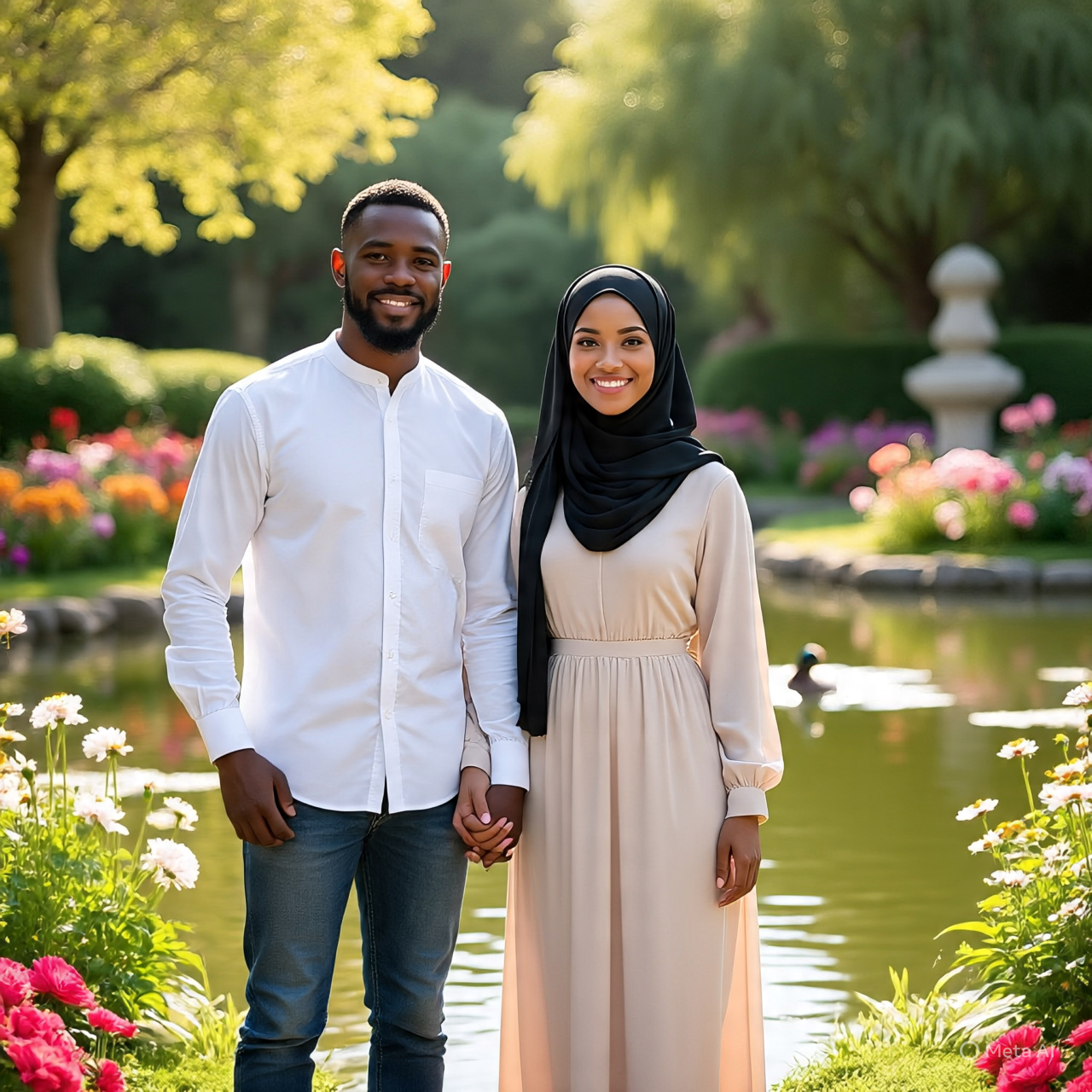
Choosing a life partner is one of the most significant decisions a Muslim will ever make. In Islam, marriage is not just a social contract—it is an act of worship and a means of attaining peace, companionship, and spiritual growth. That is why understanding the qualities of a Muslim spouse is essential for anyone preparing for marriage.
This comprehensive marriage in Islam guide explores the most important traits to look for when selecting a spouse, based on authentic teachings and practical Islamic marriage advice. Whether you are searching for a husband or wife, these principles will help you identify an ideal Muslim partner for a successful and blessed union.
The Foundation: Faith (Deen)
The most important quality in spouse selection in Islam is faith. A strong connection with Allah forms the backbone of a successful marriage.
A pious spouse in Islam:
- Observes daily prayers (Salah)
- Follows Islamic teachings sincerely
- Avoids major sins and strives for righteousness
- Encourages their partner to grow spiritually
The Prophet Muhammad (peace be upon him) emphasized choosing a spouse based on their religion. This is because faith influences character, decisions, and the overall direction of the marriage.
When both partners prioritize deen, their relationship becomes rooted in purpose, patience, and mutual understanding—key elements of Islamic values in marriage.
Good Character (Akhlaq)
Beyond faith, character is one of the most essential qualities of a Muslim spouse. A person’s behavior, attitude, and تعامل (interaction) with others reflect their true nature.
Important character traits include:
- Honesty and integrity
- Kindness and compassion
- Patience during difficulties
- Humility and respect
Strong character ensures a peaceful and loving home. Many scholars emphasize that good character is just as important as religious practice when considering an ideal Muslim partner.
Compatibility and Shared Values
While faith and character are crucial, compatibility also plays a major role in long-term success. Compatibility includes shared values, goals, and expectations.
In spouse selection in Islam, consider:
- Lifestyle preferences
- Views on family and children
- Financial habits
- Cultural expectations
A couple aligned in these areas is more likely to build a harmonious relationship. This is one of the most practical Islamic relationship tips often overlooked.
Emotional Maturity
Marriage requires emotional intelligence and maturity. Without it, even the strongest relationships can struggle.
Signs of emotional maturity:
- Ability to handle conflict calmly
- Willingness to listen and understand
- Taking responsibility for actions
- Managing anger and stress effectively
A mature partner contributes to stability and growth, which are essential in any Islamic values marriage.
Responsibilities of a Muslim Husband
Understanding Muslim husband qualities helps women make informed decisions when choosing a partner.
A good Muslim husband:
- Provides financial support (nafaqah)
- Treats his wife with kindness and respect
- Protects and supports his family
- Leads with fairness and compassion
He follows the example of the Prophet Muhammad (peace be upon him), who was known for his gentleness and care towards his family.
In this marriage in Islam guide, it is important to note that leadership in Islam is not about control, but responsibility and accountability.
Responsibilities of a Muslim Wife
Similarly, knowing Muslim wife qualities helps men choose wisely.
A good Muslim wife:
- Supports her husband emotionally and spiritually
- Maintains respect and cooperation in the home
- Upholds family values
- Contributes to a peaceful household
Islam honors the role of women and emphasizes mutual respect and partnership. A successful marriage is built on cooperation, not dominance.
Communication Skills
Effective communication is a cornerstone of any successful relationship. One of the most underrated Islamic relationship tips is learning how to communicate properly.
Healthy communication includes:
- Speaking respectfully
- Listening actively
- Expressing feelings clearly
- Resolving conflicts peacefully
Poor communication often leads to misunderstandings and resentment. In contrast, strong communication strengthens the bond between spouses.
Patience and Forgiveness
No marriage is perfect. Challenges are inevitable, which is why patience (sabr) and forgiveness are essential qualities.
A pious spouse in Islam:
- Remains patient during hardships
- Forgives mistakes
- Avoids holding grudges
- Seeks solutions rather than blame
These qualities reflect strong faith and contribute to long-term happiness. They are central to Islamic values in marriage.
Financial Responsibility
Financial stability and responsibility are important considerations in spouse selection in Islam.
For men:
- Ability to provide basic needs
- Responsible financial planning
For women:
- Understanding and supporting financial decisions
- Avoiding unnecessary pressure
Money-related issues are a common source of conflict, so discussing finances early is one of the most practical Islamic marriage advice points.
Family Values and Background
Family plays a significant role in marriage. Understanding a potential spouse’s background can provide insight into their values and behavior.
Consider:
- Relationship with parents
- Family traditions
- Approach to raising children
While Islam does not promote discrimination based on background, compatibility in family values can make married life smoother.
Physical Attraction and Personal Care
Islam acknowledges the importance of attraction in marriage. While it should not be the primary factor, it is still relevant.
A balanced approach:
- Appreciate physical appearance
- Prioritize inner qualities
- Maintain personal hygiene and self-care
An ideal Muslim partner combines both inner beauty (character) and outward presentation.
Commitment to Growth
A strong marriage requires continuous effort and growth. Look for someone who is willing to improve themselves.
Signs of growth mindset:
- Openness to learning
- Willingness to accept feedback
- Desire to strengthen the marriage
This aligns with the broader goals of Islamic values marriage, where both partners help each other become better Muslims.
Red Flags to Avoid
While focusing on positive traits, it is equally important to recognize warning signs.
Be cautious of:
- Lack of religious commitment
- Dishonesty or secrecy
- Disrespectful behavior
- Poor anger management
Ignoring red flags can lead to serious issues later. Proper spouse selection in Islam involves both identifying strengths and avoiding risks.
The Role of Istikhara and Dua
After evaluating all qualities, the final step is seeking Allah’s guidance.
Perform:
- Salat al-Istikhara (prayer for guidance)
- Regular dua for a righteous spouse
Even with the best judgment, divine guidance is essential in making the right decision.
Balancing Expectations
Many people enter marriage with unrealistic expectations. Islam encourages balance and moderation.
Remember:
- No one is perfect
- Focus on major qualities, not minor flaws
- Be willing to compromise
This mindset is key to applying practical Islamic relationship tips in real life.
Building a Successful Marriage
Choosing the right partner is only the beginning. Maintaining a strong relationship requires effort from both sides.
Key principles:
- Mutual respect
- Shared responsibilities
- Continuous communication
- Strong faith
When both partners embody the qualities of a Muslim spouse, they create a home filled with peace, love, and barakah (blessing).
Final Thoughts
Selecting a spouse is a journey that requires careful thought, sincere intention, and reliance on Allah. By focusing on faith, character, compatibility, and responsibility, you can find an ideal Muslim partner who aligns with your values and goals.
This marriage in Islam guide highlights that true success lies not in perfection, but in commitment to growth, patience, and mutual respect. Applying these Islamic marriage advice principles will help you build a strong foundation for a lasting and fulfilling marriage.
Ultimately, the best marriages are those rooted in Islamic values marriage, where both partners strive to please Allah while supporting each other through life’s journey.